

Article
Retail & eCommerce
7 min read
Measure twice, buy once. People want to be sure that a PRODUCT is the RIGHT FIT before they spend their money. Many of them still 'hope for the best' when they order something online.
With AR, they can see how a sofa will look in their living room or how a pair of glasses will fit them before they buy. Brands can integrate AR into their apps, websites or e-commerce platforms - whether they build their own from scratch or use existing frameworks like Amazon.
Join Iulian and Natalia as they explore how AR can be more than a feature, but a tool that can bring confidence and excitement to every purchase, while supporting better decision-making at a business level.

“In retail—whether it’s furniture, fashion, or cosmetics—the main challenge is scaling up without losing that personal feel.” — Iulian, Integrated Solution Advisor
1. How AR works? (in simple terms)
Think of AR as a digital layer over everyday life. Using a phone, tablet, or AR mirror:
• You scan a real-world setting—like a room or yourself.
• The AR app calculates where to place a 3D object, such as a sofa, a jacket, or a pair of glasses.
• You see a blend of reality and digital content—so it looks like that sofa is already in your living room, or that new jacket is already on you.

A great example is the Vyu Try-on Mirror by INDE.
It lets users try on clothes virtually in public spaces like subways or shopping centers. By scanning a QR code, they can browse outfits and see them digitally fitted to their bodies using real-time skeletal tracking.
2. Bring Products Closer to Shoppers
If you’ve ever played Pokémon Go, you’ve already seen AR in action—where digital objects appear in the real world, blending seamlessly into your surroundings. Now, apply that to shopping. Instead of customers guessing if a sofa fits their living room or if sunglasses suit their face, AR lets them see it in real time, in their own space, before they buy.

“We offer AR tools so buyers can see a product—like furniture or paint colors—in their actual environment before making a purchase. It saves time and gives them peace of mind.” — Natalia, Business Analysis Manager
[2.1] MAKING ONLINE & OFFLINE FEEL LIKE 1

A well-known example is IKEA’s AR app, IKEA Place.
It allows users to place true-to-scale digital furniture in their homes using their smartphone camera. Instead of relying on pictures and measurements alone, shoppers can see if a sofa, table, or bookcase fits their space before purchasing.
[2.2] USING DATA TO PERSONALIZE INTERACTIONS
AR isn’t just about showing products—it’s about understanding customers. Every time someone interacts with an AR tool, it reveals what catches their eye, what they spend time exploring, and what interests them the most.
For businesses, this means smarter recommendations. If a shopper keeps trying on a certain style of glasses, the system learns their preferences and suggests similar styles. If they frequently test different sofa colors, AR can guide them toward the best match for their space.
It also allows businesses to create personalized promotions—offering discounts or recommendations based on what a customer genuinely likes, instead of just guessing.
“We’ve even seen AR help customers plan meals while walking down a grocery aisle. It’s a small touch that makes a big impact because it shows you really ‘get’ your customer.” — Natalia
By combining visualization with personalization, AR makes shopping feel intuitive, effortless, and tailored to each person—helping customers find exactly what they need while businesses build stronger connections.
3. Better Shopping Journeys
Shopping should feel exciting, not uncertain. But without trying a product first, there’s always that lingering doubt—will those glasses suit your face? Will that sofa fit just right? AR removes the guesswork, bringing the confidence of in-store shopping to the convenience of online browsing.
Imagine shopping for glasses. Without AR, you scroll through countless images of frames on models who don’t look like you, hoping they’ll fit. But with AR, everything changes:
1.You open an app, activate your camera, and see the glasses on your own face in seconds.
2. You tilt your head, check the fit from all angles, and compare styles instantly.
3. You try on ten pairs in a minute—no lines, no store lighting.
[3.1] QUICK DECISIONS, less DOUBTS
AR shopping is already changing how people buy.

The AR feature for Lensa.ro (we developed), brings this experience to life.
Using real-time facial tracking, it ensures glasses are positioned with millimeter precision, giving shoppers a true-to-life preview before they buy.
[3.2] FEWER RETURNS. BETTER OPERATIONS.
A great shopping experience doesn’t end at checkout—it continues when the customer receives exactly what they expected. When a product doesn’t meet their needs, returns happen, costing time, money, and logistics resources for both the buyer and the retailer.
“Along with improving the shopping experience, we also streamline logistics. We make sure warehouse management and deliveries get faster and more accurate.” — Iulian
By allowing shoppers to see and try before they buy, AR eliminates uncertainty:
• Furniture fits the space before it arrives.
• Clothing matches the buyer’s body shape and style.
• Glasses look and feel just right before they’re shipped.
Fewer returns mean less waste, lower costs, and happier customers. That’s not just good for business—it’s a smarter, more sustainable way to shop.
4. AR Integration Challenges
While AR is changing the way people shop, integrating it into existing retail systems isn’t always easy. Many businesses use older software that wasn’t designed for modern digital tools. If AR doesn’t fit smoothly into these systems, it can slow down operations instead of improving them. But with the right approach, these challenges can be solved.
[4.1] MERGING WITH LEGACY SYSTEMS
One of the biggest challenges is making AR work with existing technology. Many retail systems weren’t built for real-time 3D models, interactive previews, or data-heavy applications. Simply adding AR on top of an old system can cause glitches, slow speeds, or even system failures.
But like any big change, the key is to take it one step at a time. Instead of forcing AR into an unprepared system, businesses can integrate it gradually (without disrupting daily operations).
• Start with what works—identify which parts of the current system can handle AR and what needs upgrading.
• Begin small—test AR in a single area, like virtual try-ons for sunglasses, before expanding.
• Prepare people, not just systems—train employees early, so they feel confident using the new tools.
With this approach, AR doesn’t feel like a disruptive change—it feels like a natural evolution. It becomes part of the shopping experience seamlessly, helping businesses modernize without breaking what already works.
[4.2] SECURITY, PRIVACY & LEGISLATION
AR makes shopping more personal, but to do that, it collects data—things like location, facial scans, and browsing habits. This helps businesses offer better recommendations and a smoother experience, but it also comes with responsibility. If data isn’t protected, trust is lost.
Why security? Without the right safeguards, customer information could be misused, hacked, or leaked. That’s why businesses using AR need to prioritize security from the start—not as an afterthought.
To keep data safe and maintain customer trust, businesses should:
• Use strong encryption to store and transmit data securely.
• Be upfront about what data is collected and why.
• Stay compliant with privacy laws like GDPR (Europe)
5. More Sales and less Returns
AR changes how people shop by removing doubt and making decisions easier. When customers can see exactly how a product fits into their lives before buying, they feel more confident—and confident shoppers are more likely to follow through with a purchase.
For businesses, this means fewer returns, happier customers, and higher sales. When people know what to expect, they buy smarter, reducing the costs and inefficiencies that come with uncertainty. In retail, where trust and experience are everything, AR isn’t just a tool—it’s the next step in making shopping seamless, personal, and real.
Looking to integrate AR into your retail business? Let’s connect and explore how it can improve customer experience, optimize operations, and set you apart in the retail space.
Share this article on:
More articles

Event
FinTech
Software Development
Systems Integration
Regulatory & Compliance
7 min read
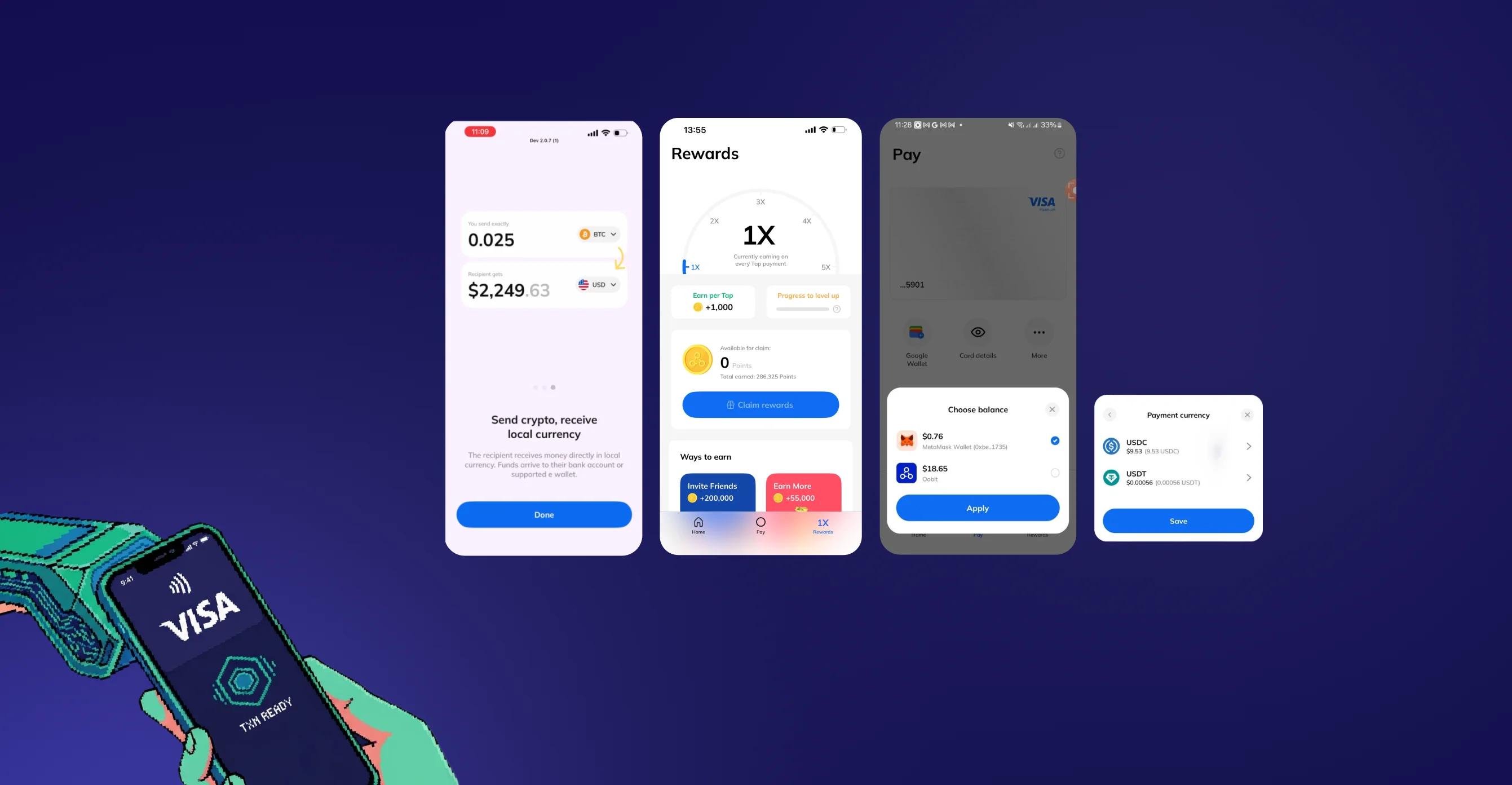
How we built a crypto wallet app (x Oobit) that enables instant tap-to-pay Bitcoin purchases at any store and scales to $700K/month. Learn from our success story.
Article
Cross-industry
Software Development
Quality & Testing
8 min read
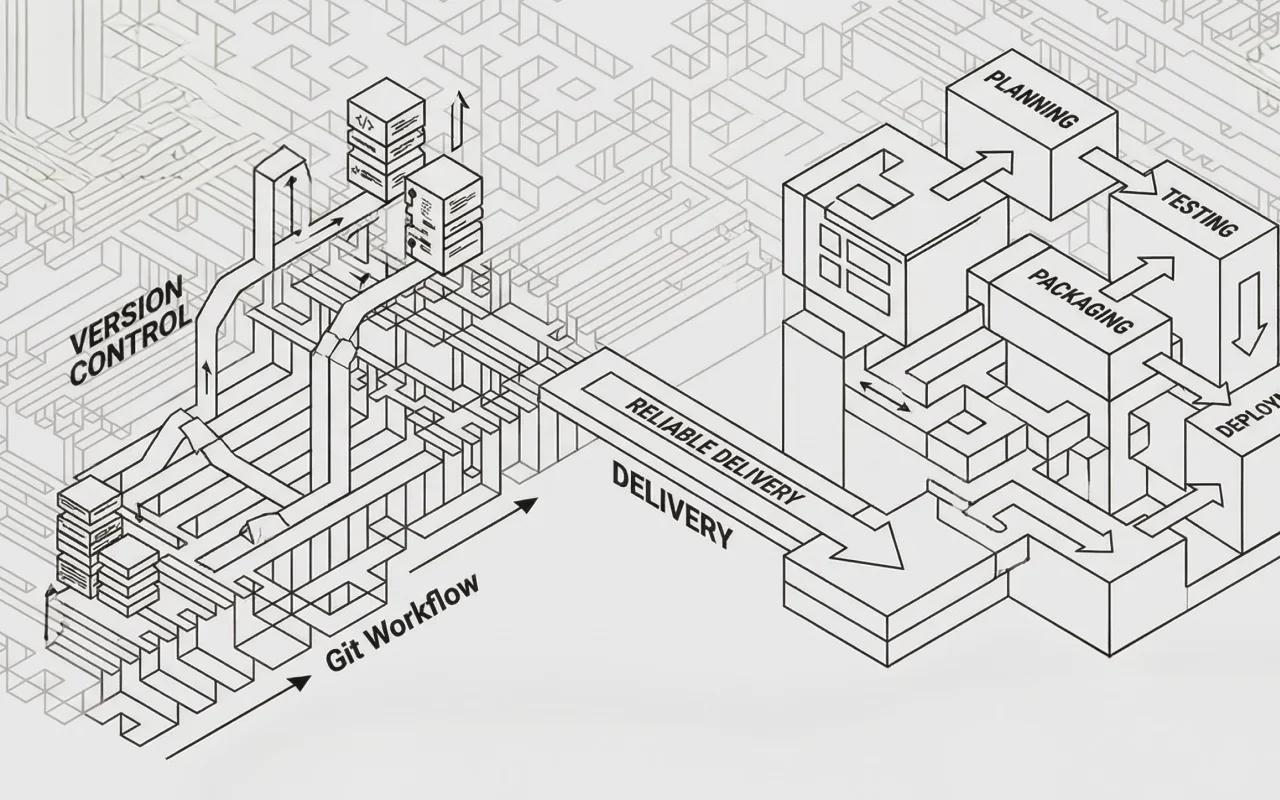
Explore the key benefits of using version control and release mangement in software development, emphasizing its role in preventing data loss, enhancing collaboration, and improving product quality. See the different types of version control systems and find advice on implementing them effectively. Learn how you can use it for streamlined and successful software projects.

Article
Cross-industry
Software Development
Business Strategy
8 min read
See how mobile apps can boost your business growth. Some remain unaware or have tried without success, but our tech leads in iOS & Flutter prove that modern app development truly works.

Article
FinTech
Digital Transformation
Emerging Tech
9 min read
Financial technology, or FinTech, is revolutionizing the way we manage, invest, and spend money, making transactions smoother, faster, and more secure. From mobile payments to blockchain technology fintech is bringing financial services into the digital age and making life easier for businesses.


News
Cross-industry
Emerging Tech
Digital Transformation
6 min read
2023 was a year of major technological advances around the world that not only offered hope for a better future but began to make it a reality. Technology has advanced significantly in areas such as AI, quantum computing, AR/VR and environmental technology.

Article
Cross-industry
Software Development
Programming Languages
7 min read
Understand cross-platform vs hybrid app development. Compare frameworks like React Native, Flutter, Ionic, and Cordova. Learn which fits your business needs.

Article
Cross-industry
Emerging Tech
Digital Transformation
8 min read
Let’s look at the new fad that has its roots all the way back in 1991, and how it is affecting the future of Digital Transformation (DX)! Blockchain and all that makes it work, is it a fad that we’ll forget in a couple of years or is it really the bright future that some people will swear it is!

Article
Cross-industry
Data Engineering & Analytics
Software Development
7 min read
Peeling this BASICs digital onion, we’ve left some details out (particularly in our last article). As stated, data-centric and data-driven applications deserve their series, a journey we’re kicking off today. Before talking about BigData, strategies and mechanics, let’s filter the messy data-centric vs data-driven dilemma.

Article
Cross-industry
Emerging Tech
Business Strategy
7 min read
2018 is becoming quite promising for augmented reality (AR) and this goes way beyond Pokemon Go. AR is changing the world of consumer marketing. It empowers stakeholders and clients to experience products and services as “prescribed”. It acts as “a sibling” to Virtual Reality platforms aiding physical reality with virtual objects. This way AR is delivering a new, interactive customer experience. Unlike other hypes we’ve seen rising, this tech is here to stay with figures expected to reach $117.4 billion by 2022.

Article
Cross-industry
Programming Languages
Software Development
8 min read
Explore programming history from the 1950s-60s. Discover FORTRAN, LISP, COBOL, and BASIC—the languages that shaped modern coding. Part II of our series.
IT Consulting
Software Development
Agile Project Management
The digital age is an exciting time for businesses, as new opportunities abound and technology advances quickly. However, it also poses the age-old question: how do we stay ahead of the competition while navigating this ever-evolving digital landscape? At EBS Integrator, we’ve found the answer to this conundrum lies in optimizing work processes and delivering top-notch IT solutions and products. In this article, we’ll reflect on the importance of these processes and explore how partnering with EBS Integrator can benefit your business.