

Article
Retail & eCommerce
6 min read
Personalization has become a “go-to” strategy in modern eCommerce. Today, customers are truly “spoiled for choice” with endless online options. To get their interest, you need to offer a “personalized” experience—recommending the “specific” products they want, whether it’s the perfect “color/style,” a unique “special offer,” or using “AR” to for a more immersive experience, all powered by “big data.”
Let’s explore the WHY of personalization, the WHAT (common challenges) in implementing it, and HOW retailers can take advantage of it.
Why personalization matters?
In the late 1990s, online shoping was built on a “one-size-fits-all” model. Every visitor—whether a sneaker enthusiast or a dress shoe aficionado—received the same static “Top Picks for You!” list. This generic approach meant that personal tastes were ignored, leaving customers feeling like just another number.

Figure 1. Recommendation system of Amazon in 90's
How data & AI changed things
By the 2010s, big data and machine learning emerged as a disruptive new approach to e-commerce. Retailers began to collect detailed insights - from click behaviour to the length of time a customer spent on a product. This data collection boom enabled systems to analyse customer actions in real time. This meant that whenever a shopper was about to leave without making a purchase, the system could instantly trigger a tailored offer, such as a discount or free shipping, transforming hesitation into action.
What customers expect today
Today, online shopping should feel personal—like walking into your favorite local shop where the owner knows your name and exactly what you love. Customers don’t want to waste time searching, endure never-ending checkouts, or feel like just another order number. They crave an experience that’s easy, familiar, and maybe even a little fun. As Steve Jobs once said, “You’ve got to start with the customer experience [CX] and work backwards".
Listen to your CUSTOMERS when they say:
—“Show me what I actually want.”
Recommendations should feel like advice from a trusted friend—“You’ll love this because…”—rather than a generic pitch. Well today you can actually give them what they want through AI-powered engines.

Olga Petrascu | Retail & HoReCa expert
E-commerce is evolving into truly personalized experiences, where every customer finds exactly what they’re looking for. By understanding shopping habits and individual preferences, we create intuitive, trusted recommendations.
For example x Pets4Home, we faced the challenge of guiding customers to products they would love.
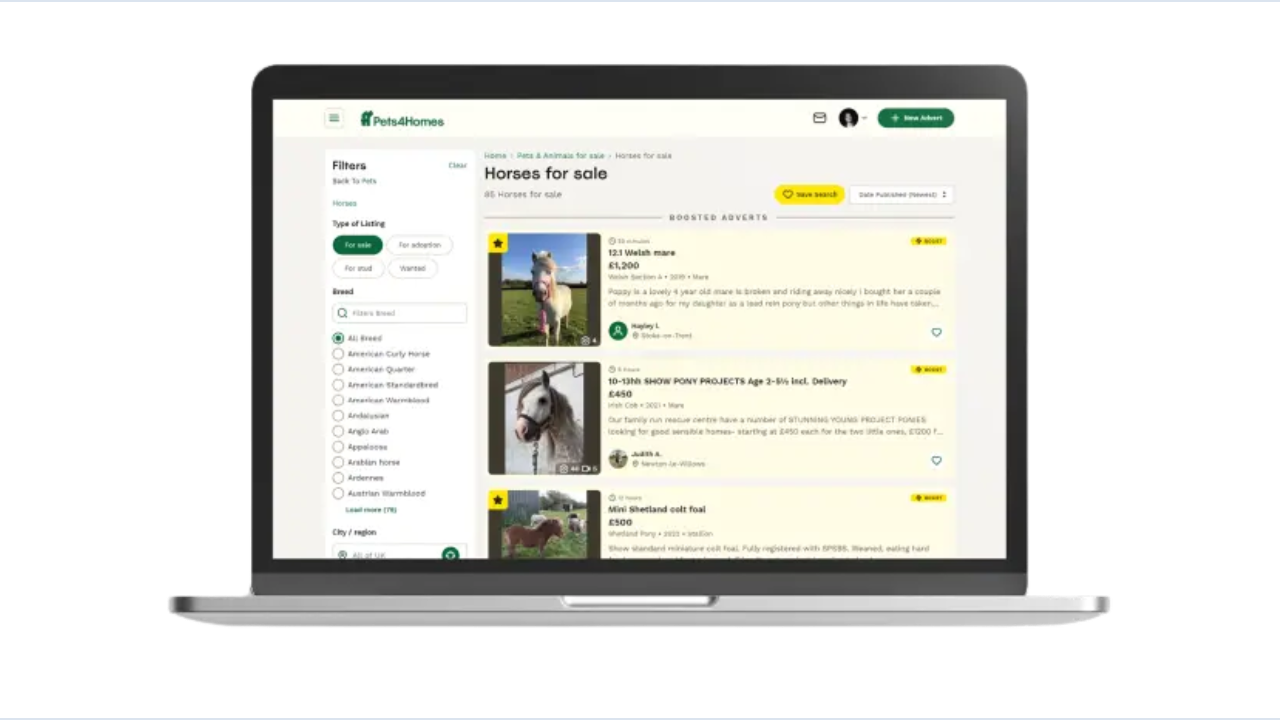
Figure 2. Pets4Homes recommendation system (making use of AI)
We tracked how customers browsed and what they purchased, then used an AI engine to analyze the patterns and deliver personalized suggestions seamlessly integrated into the shopping experience. This approach not only helped customers find what they desired faster but also boosted engagement and sales.
—“Let me shop on my terms.”
Customers expect to pick up where they left off, whether they’re shopping on a phone, laptop, or in-store. Losing progress—like a cart resetting between devices—creates that feeling when you worked for 8 hours straight in a document and you didn’t save it. The fix? Make your systems talk to each other. By integrating your point-of-sale, website, and app with your CRM and inventory software, customer preferences and selections remain intact, ensuring a seamless shopping experience.
—“Don’t make me wait”
People want fast, easy, and 0 problems. A streamlined checkout using secure single sign-on (SSO) and one-click payment systems removes unnecessary steps, making the purchase quick and easy.
—“Tech should help, not just hype.“
People love trends in technology. But they soon can find out that it doesn’t add real value. Use tools like AR for virtual try-ons, AI-powered assistants for real-time guidance, and intuitive size guides but make sure they are what they need and serve their purpose, dont add tech just for the hype.
Personalization challenges (we've met along the way)
Personalizing the customer experience brings many benefits—but it also comes with a set of challenges that retailers must overcome to deliver a seamless experience.
They can be grouped into 3 MAIN AREAS:
SaaS or disconnected tools
Retailers often start with SaaS solutions like Shopify because they’re simple to set up—a great launching pad for eCommerce.
However, as businesses grow, these platforms can limit flexibility; relying on native payments until the need for diverse options or in-store integration arises can lead to delays, inconsistent transactions, and even abandoned carts. Likewise, disconnected internal tools often become outdated, resulting in fragmented processes and lost revenue.
We have encountered such an issue with Pets4Homes. Outdated payment tools meant transactions weren’t properly verified, leaving users exposed to fraudulent charges and financial losses.
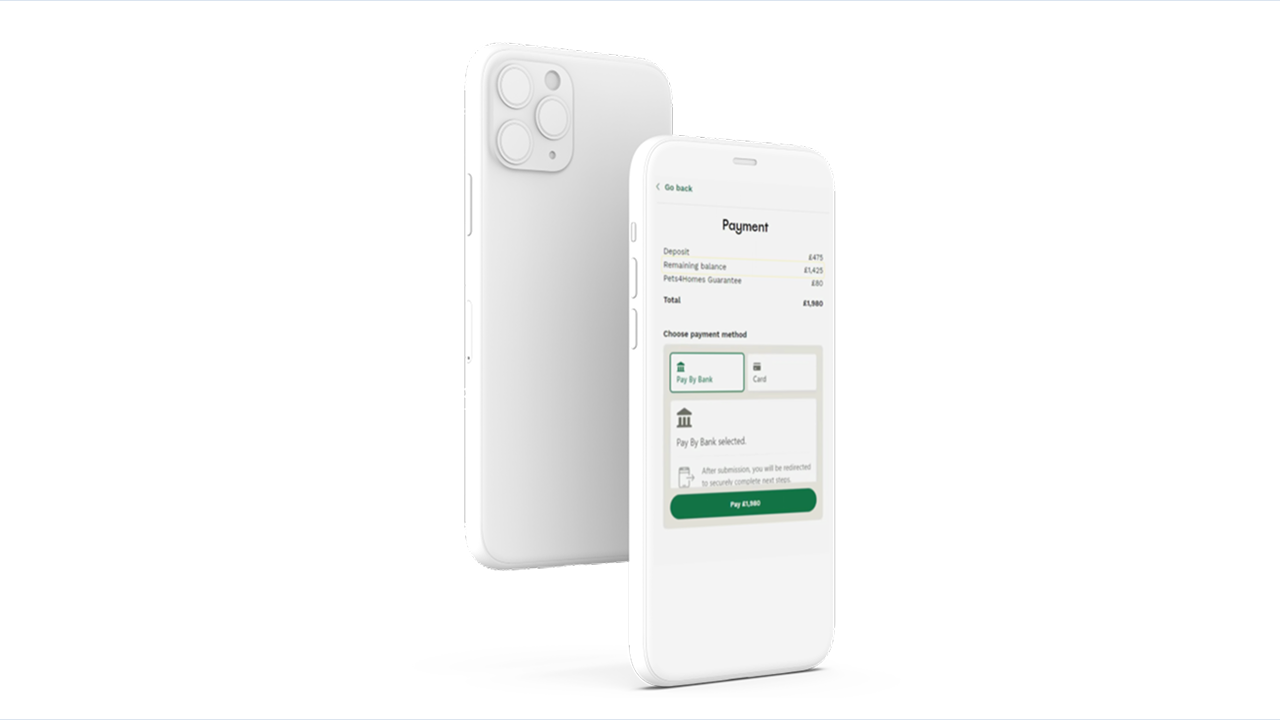
Figure 3. Pets4Homes escrow payment system
We fixed this by refactoring the payment module and replacing it with a modern, escrow-based system integrated with over 40 global processors. Now, every transaction is securely verified and processed in real time.
Many data & sources [big data]
Personalization relies on a lot of data—even small retailers can collect huge amounts, from website clicks to real-time browsing behavior. But gathering this data is only the first step. To avoid offering outdated or irrelevant recommendations, you need efficient systems to store, clean, and analyze the information.
The solution is to use smart tools that centralize your data in one place. This unified approach prevents data silos and ensures that your recommendations are always fresh and accurate. Regular audits help remove duplicates and outdated entries, keeping your system both reliable and efficient.

Marcel Lefter | Front-end Lead
Efficient data management and synchronization across all channels—website, mobile app, and social commerce—creates a coherent and well-structured ecosystem.
A great example of this is our work with Lensa.ro. They faced the challenge of managing diverse data from both their online store and physical showrooms
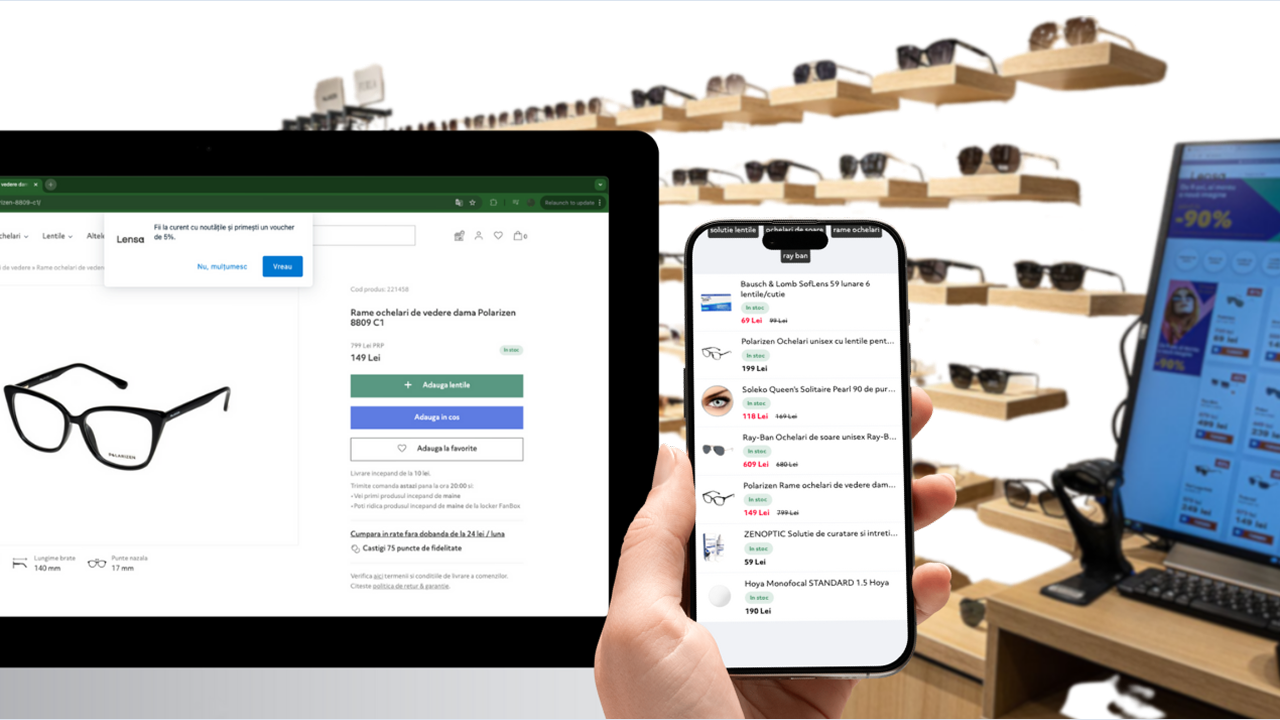
Figure 4. Lensa.ro | Omnichannel system (Online + Offline)
By integrating these systems into a seamless omnichannel experience, we helped them gain better control over inventory, customer data, and personalization.
Customer data & legislation
Regulations like GDPR (Europe) and CCPA (USA) mandate transparency in data collection and usage, transforming compliance into a trust-building advantage. Platforms can now track and log user actions automatically, ensuring adherence to legal requirements. Remember the checkbox in front of the Terms & Conditions? It serves as both user notification and platform protection—a win-win.
To further safeguard collected data, implementing robust security measures, such as encryption and regular security audits, is essential in preventing unauthorized access.
High traffic spikes
A personalization feature that runs smoothly for 500 customers can break under the load of 500,000.
We had a situation when Tanzania’s leading online marketplace, launched a large TV ad campaign, resulting in an unexpected traffic surge that led to performance issues and user dissatisfaction. — Marcel
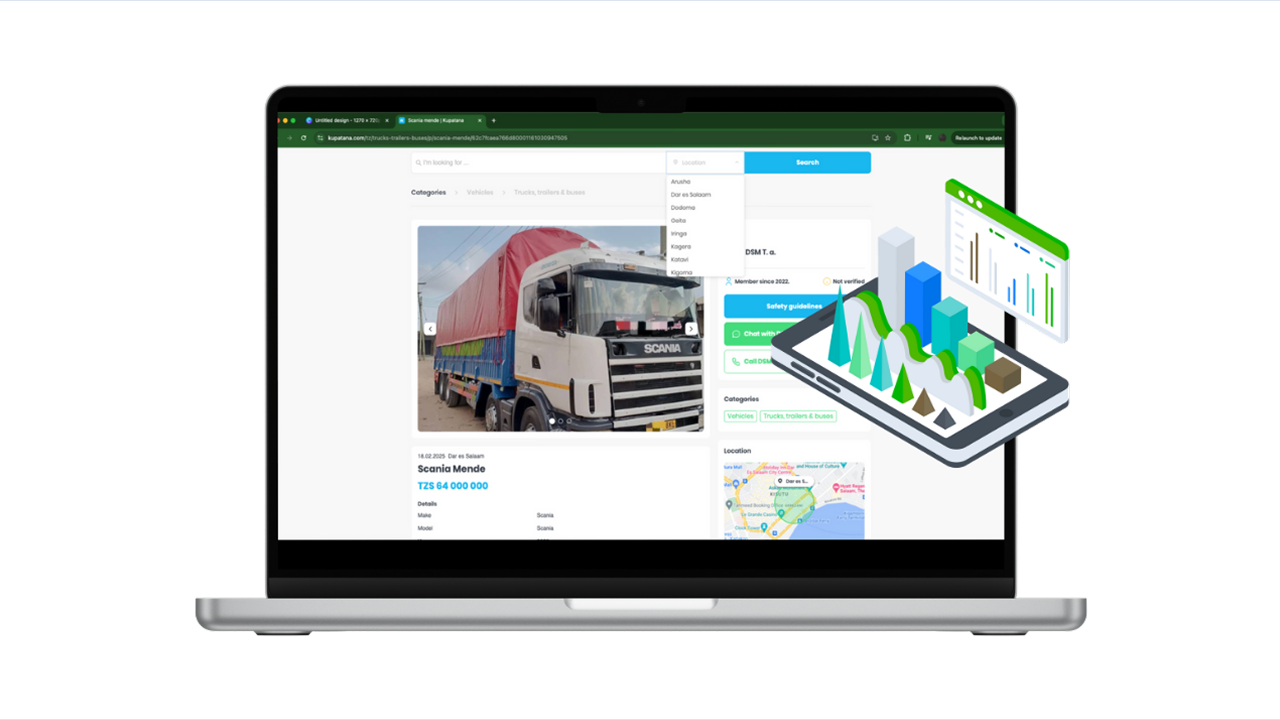
Figure 4. Kupatana platform (now scales more traffic)
To address this, we migrated their data to a secure cloud environment and adopted DevOps best practices, achieving a scalable infrastructure capable of handling over 2 million active monthly users. This transformation resulted in a 40% increase in customer engagement.
Role of data and feedback
Data shows what happens, but feedback reveals why. Knowing how many people clicked “add to cart” is one thing; understanding why they left without purchasing is another. By blending numbers with actual customer voices, you gain insights that can reshape your approach and strategy to better fit your customer mindset (shopping patterns) and operational efficiency (business money).
Numbers + customer voices
ㅤ• What DATA tells you: Tools like [heatmaps, click paths, CRM logs, and POS systems] reveal actual shopping behaviors and trends.
ㅤ• What CUSTOMERS say: Data like [surveys, polls, social media comments, and reviews] capture the emotions and frustrations behind those actions.
By combining these perspectives, you gain a clear picture of what works and what needs improvement. For instance, if data shows a high checkout drop-off and customers say the process feels too long, you know exactly where to focus your enhancements.
Putting data ‘silos’ together
Often, different tools in your business—like your website analytics, email platform, and in-store systems—collect data separately. When these systems don’t share information, you miss out on the full picture of customer behavior.
Bring all your data together into one integrated system. This “single source of truth” makes it easier to spot trends, understand customer needs, and make adjustments that improve the overall shopping experience. - Marcel
By combining both hard data and customer feedback, and by ensuring all your data works together, you can refine your personalization strategy to truly meet your customers’ needs.
Moving forward x personalization
Personalization turns your store into a space that feels familiar (welcoming) to each shopper. Customers expect brands to understand their preferences, anticipate their needs, and provide a seamless experience across web, mobile, and in-store.
However, many retailers struggle with disconnected SaaS platforms and outdated tools that prevent key systems—like CRM, inventory, and recommendation engines—from working together. When data doesn’t flow freely, personalization efforts fall short, leading to irrelevant recommendations and lost sales.
The solution lies in integrating AI, machine learning, and real-time customer data into a unified system. By analyzing shopping patterns and behavior, retailers can deliver smarter recommendations, optimize pricing, and create smoother shopping experiences.
After 14 years of helping businesses scale, we’ve seen that those who break down data silos and embrace AI-driven personalization don’t just increase sales—they build stronger customer relationships and future-proof their retail experience.
Share this article on:
More articles
Article
Cross-industry
AI Consulting
Data Engineering & Analytics
9 min read
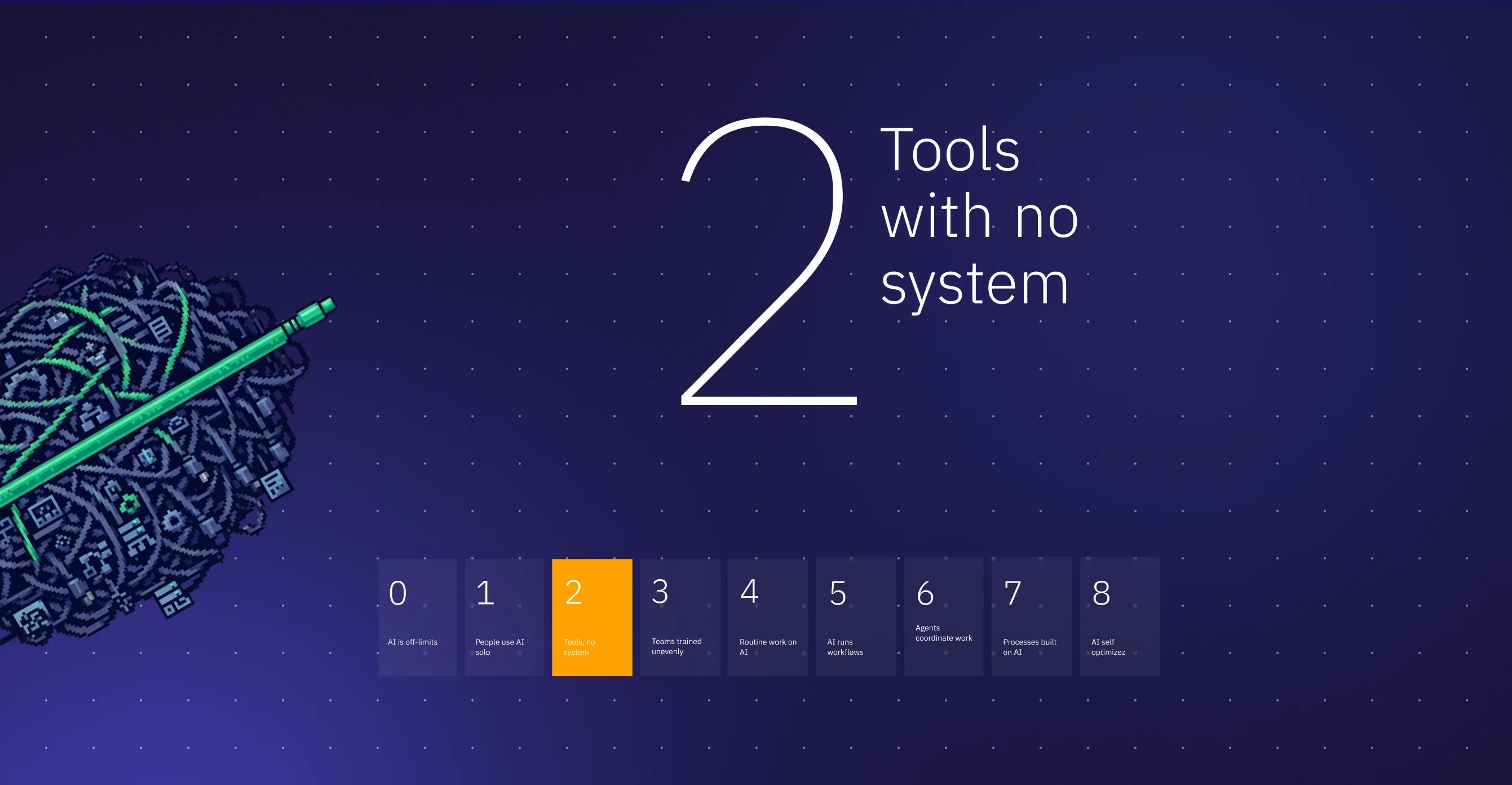
What AI sprawl is, why its return stays invisible, and four moves to control it with the people you have. Level 2 of the EBS AI-maturity ladder.
Article
Cross-industry
AI Consulting
6 min read
AI running on accounts that your company does not hold. This article explains what it is, how it spreads, and how to take it to the next level. (AI-maturity series lvl 1)
Article
Cross-industry
AI Consulting
Regulatory & Compliance
7 min read
Is AI overhyped? Yes, as a purchase promise. No, as what a prepared company can do with it. The evidence, and what the first step off level zero takes.

Article
Cross-industry
Cloud & DevOps
Data Engineering & Analytics
8 min read
Moving a 15 TB production Aurora PostgreSQL cluster from 14 to 18.3 with sub-minute cutover: Blue/Green prerequisites, worker math, and the storage trap.

Article
FinTech
AI Consulting
Data Engineering & Analytics
Regulatory & Compliance
5 min read
AI in fintech is everywhere, yet few systems would survive an audit. Why projects stall, what regulators expect, and the three steps that fix it.

Article
EdTech
Systems Integration
Data Engineering & Analytics
11 min read
Legacy administrative platforms across European education institutions were procured separately with no shared architecture, creating education data silos that force daily manual reconciliation, while 70% of IT capacity is consumed maintaining these systems.

Article
Retail & eCommerce
Data Engineering & Analytics
AI Consulting
8 min read
Big Data is changing the retail industry. (internal expertise) Learn how businesses use data to make smarter decisions, create personalized experiences, and improve customer service with real examples of BigData applied to today’s fast-moving market.

Article
Retail & eCommerce
Business Analysis
AI Consulting
6 min read
How omnichannel strategies and AI-driven personalization help retailers connect online and in-store experiences, improve operations, and keep shoppers coming back.

Article
Retail & eCommerce
Data Engineering & Analytics
AI Consulting
6 min read
Reach customers wherever they shop with AI and real-time data. Discover how targeted marketing, a seamless online and offline shopping experience, and predictive analytics can personalize recommendations and boost sales. Our retail expert, Olga, shares practical insights and strategies to help you take your store digital. Read the full article for actionable tips and real-world examples.

Article
Retail & eCommerce
Business Strategy
Digital Transformation
Data Engineering & Analytics
7 min read
Learn about personalized customer experiences, data-driven decision-making, omnichannel approaches, AI/AR and real stories of how we help businesses implement new business models.

Article
Cross-industry
Cloud & DevOps
Data Engineering & Analytics
IT Consulting
9 min read
Data storage has evolved from paper/floppy disks to cloud tech. See through our experts' experience what cloud migration is, how can you use it for your business and what you get from migrating your data to the cloud.

Article
Cross-industry
Programming Languages
Data Engineering & Analytics
7 min read
The world of Data Sciences’ is an ever-changing place, new applications and requirements appear on a daily basis. With all that, a professional SQL-guru who can optimize their interactions with databases is valued in his weight in gold. Luckily for us we have just such master. In this post we hope to explore the world of ORMs (particularely Django ORM vs SQL Alchemy) with our Python specialist and get his opinion on which he prefers! And provide some nifty examples to boot.

Article
Cross-industry
AI Consulting
Process Automation
7 min read
From ELIZA to modern AI: explore chatbot evolution in customer service. Learn how 1.4 billion users benefit from automated support and instant query resolution.

Article
Cross-industry
Data Engineering & Analytics
Software Development
7 min read
Peeling this BASICs digital onion, we’ve left some details out (particularly in our last article). As stated, data-centric and data-driven applications deserve their series, a journey we’re kicking off today. Before talking about BigData, strategies and mechanics, let’s filter the messy data-centric vs data-driven dilemma.